The genetics
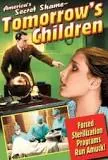
Eugenics is the subject of the film. It portrays the compulsory sterilization of people deemed hereditarily unfit, a practice endorsed in the United States in 1927, when Supreme Court Justice Oliver Wendell Holmes wrote that society could "prevent those who are manifestly unfit from continuing their kind". The film assumes, as eugenicists did, that alcoholism, disability and criminality run in families, and the state applies that belief through courts and doctors. Its plot twist exposes the weakness of judging people by their "bloodline": Alice is condemned for a heredity she does not have. The physicians are divided, with Dr. Brooks siding with Alice against the order. The film was openly critical of these policies; its themes of sterilization and hereditary defect led several state censorship boards to ban it, and it was approved in only a few states.
The story
Alice Mason wants to marry her fiancé Jim Baker and raise a family, but her plans collapse when the authorities order her parents to undergo sterilization or lose their welfare payments. The Masons are presented as a "defective" family: the parents are idle alcoholics and Alice's siblings have physical and mental disabilities or criminal ties. Because the family's bloodline is judged to be corrupt, the court rules that Alice, the only capable member of the household, must be sterilized too. She runs away but is caught by the police. Jim persuades Dr. Brooks to testify on her behalf, yet the court does not change its decision. Father O'Brien pleads with Mrs. Mason, who, drunk, reveals that Alice was a foundling the family took in and is not related to them by blood. The priest races to the hospital, and Dr. Brooks stops the operation in time.