The genetics
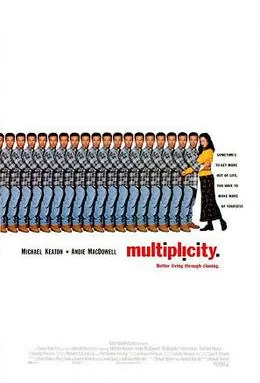
Cloning is the comic engine of the film. Dr. Leeds's process produces instant adult copies that keep the original's memories, and each copy develops a distinct personality, exaggerating one side of Doug's character. The film's main genetic joke is that a clone of a clone is degraded, "like a copy of a copy", and the fourth Doug is less intelligent than the others. The scientist is benign and plays only a small part; he helps Doug out of sympathy, and the consequences are domestic rather than catastrophic. The film was released in July 1996, the same month that Dolly the sheep was born, the first mammal cloned from an adult cell. Real cloning bears little resemblance to the film's: it produces an embryo that grows like any other, effectively a delayed identical twin with none of the original's memories. The idea that copies of copies deteriorate is a photocopier metaphor rather than biology, although the reprogramming of the donor cell in real cloning is imperfect and many cloned embryos develop abnormally.
The story
Doug Kinney, an overworked Los Angeles construction foreman, never has time for his wife Laura and their children. While working on a new wing of a scientific institute he meets Dr. Leeds, a scientist who has developed a method of cloning humans and offers to help. Leeds creates a copy of Doug who shares all his memories but exaggerates his masculine, work-focused side; this clone takes over Doug's job. A second clone, sensitive and domestic, takes over at home. The two clones then copy themselves, producing a fourth Doug who, as a copy of a copy, is noticeably dim. The clones' different behaviour confuses Laura and costs Doug his job, and she leaves with the children. With the clones' help, Doug finally fixes up the family house, wins Laura back and starts his own business, while the three clones move to Florida to run a pizzeria.