The genetics
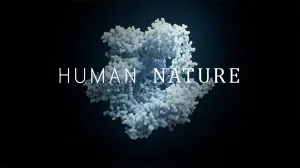
The whole documentary is about genetics, specifically genome editing with CRISPR. It presents the technique's origins in basic research on bacteria, its use as a precise tool to cut and modify DNA, and its potential, above all in medicine. The scientists, many of them leading figures in the field, appear as enthusiastic but conscious of the risks. The film's human centre is David Sanchez, whose remark that without sickle cell disease he would not be himself complicates the idea of genetic "correction". Released a few months after He Jiankui announced the birth of gene-edited twins, the film also asks whether society is ready for heritable changes passed on to future generations; the bioethicist Alta Charo argues that the technology itself is neutral. Engadget's reviewer praised its balance between hope and caution. Since its release the field has advanced quickly: a CRISPR-based treatment for sickle cell disease, exagamglogene autotemcel, was approved in the UK and the US in 2023.
The story
Human Nature is a documentary directed by Adam Bolt about CRISPR, the gene-editing technique that became a breakthrough in biology in the early 2010s. It explains how CRISPR began as an immune system that bacteria use to recognise and cut the DNA of viruses, and how scientists turned it into a tool to edit the genes of any organism. It gathers many of the researchers involved in its discovery and use, including Francisco Mojica, Jennifer Doudna, Emmanuelle Charpentier, Jill Banfield, Rodolphe Barrangou, George Church and Fyodor Urnov, as well as bioethicists such as Alta Charo and Hank Greely. Alongside the science, the film follows David Sanchez, a young man with sickle cell disease who lives with painful crises and regular transfusions, as Stanford researcher Matthew Porteus prepares a clinical trial to correct the disease's genetic cause. The film asks how gene editing might change our relationship with nature and the future of human evolution. It premiered at South by Southwest in 2019.