The genetics
The film concerns cell biology and research ethics rather than heredity in the narrow sense, but its story is central to modern genetics and biomedicine. HeLa cells, taken without consent in 1951 and cultured by George Gey, became the first immortalised human cell line and a basic tool of research, used to test the first polio vaccine and in countless other studies. Researchers are shown from the family's point of view: some are dismissive, and one in the film says the family "wouldn't have understood anyway"; the family had also given blood for research while believing they were being tested for cancer. The film raises questions of consent, race, class and profit in medical research. Genetic privacy became part of the real story after the events of the book: in 2013 researchers published the genome of HeLa cells without the family's knowledge, and after objections the US National Institutes of Health agreed to give the family a say in access to the data.
The story
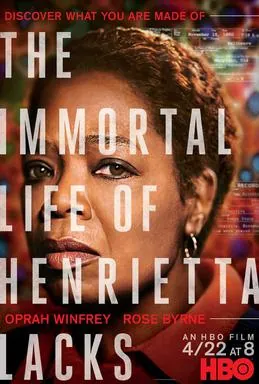
Based on Rebecca Skloot's bestselling book, this HBO film follows Deborah Lacks, played by Oprah Winfrey, in search of the truth about her mother, Henrietta, who died of cervical cancer in 1951 when Deborah was a small child. Doctors at Johns Hopkins took cells from Henrietta's tumour without her knowledge, and they became HeLa, the first human cell line able to survive and multiply indefinitely, used ever since in medical research, including tests of the first polio vaccine. Her family learned this only decades later and was never compensated. The story is told largely from the point of view of journalist Rebecca Skloot, played by Rose Byrne, who wins Deborah's trust while researching the book. Together they try to extract information from an indifferent medical establishment, while Deborah struggles with her family's complicated history, its distrust of researchers, and her desire to know the mother she lost. Flashbacks show Henrietta's life and illness.