The genetics
Cloning is part of the film's premise. In its future, cloning is used as a means of achieving immortality, and the clone narrator describes her life as one in a series of copies of the original Emily. The film uses cloning to reflect on memory, loss and what makes a life one's own: each clone inherits memories but grows more remote from the original, and a brainless clone is displayed as an art object. No scientists appear, and the technology is described in deadpan, absurd terms rather than explained. Real cloning produces a genetic copy, not a continuation of the original's mind; the film's transfer of memories between clones is pure fantasy. The short won the Grand Jury Prize for short film at Sundance in 2015 and was nominated for the Academy Award for Best Animated Short Film; two sequels followed in 2017 and 2020.
The story
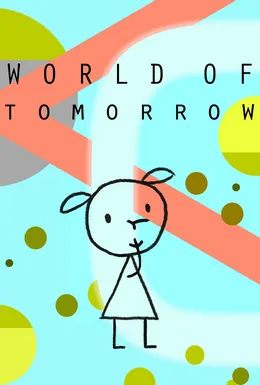
In this animated short film by Don Hertzfeldt, a little girl, Emily, is contacted by a third-generation clone of herself from 227 years in the future, made as a way of achieving immortality. The clone takes Emily to her own time and shows her the ways people have tried to escape death and loneliness through technology, then guides her through memories of her life on the "Outernet". As a child, the clone visited a brainless male clone, "David", kept as an art exhibit until his death. She later worked on the Moon and in space, opened a gallery of memories harvested from the dead, and married a fourth-generation clone of David, whose sudden death left her grieving. Finally she reveals that Earth will be destroyed by a meteor within sixty days and that she contacted Emily to recover a forgotten memory of walking with her mother. She sends Emily home with advice to live well, and Emily goes out to play.