The genetics
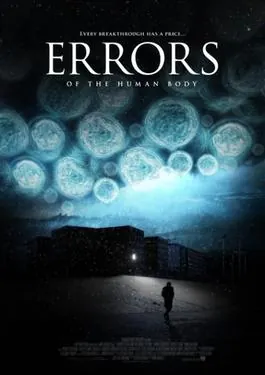
Genetics and laboratory life are the subject of the film. It deals with gene transfer between species, the mouse lines used to test it, and the fine line between regeneration and uncontrolled growth: the gene that lets cells regrow also produces tumours. Its scientists are ordinary researchers rather than villains: Burton is driven by grief and guilt, Rebekka by her research, and Jarek by ambition, stealing a colleague's work and experimenting in secret; reviewers note its attention to disputed credit, plagiarism and unethical experimentation. Director Eron Sheean developed the project during several years as artist in residence at the Max Planck Institute of Molecular Cell Biology and Genetics in Dresden, where it was filmed in real laboratories with scientists among the extras and as advisers. He described it as fiction using real science as a starting point, and The Scientist reviewed it as more science drama than science fiction.
The story
Geoff Burton, a geneticist known for identifying the rare genetic condition that killed his infant son, takes a post at a research institute in Dresden. There he meets again Rebekka Fiedler, a former colleague and lover, who is working on what she calls the "Easter gene", which allows cells to regenerate and which a colleague realises could speed natural regeneration in axolotls. Burton discovers that another researcher, Jarek Novak, has stolen samples from Rebekka's laboratory and is injecting the gene into mice in a secret lab. Burton takes one of Jarek's mice, finds that it can regenerate, and is bitten by it. He becomes infected, gains an extraordinary ability to heal, but then learns that the treated mice are developing tumours, and that he may face the same disease that killed his son. Haunted by his grief, he tries to find redemption as his condition worsens; the film ends on an unexpectedly hopeful note.