The genetics
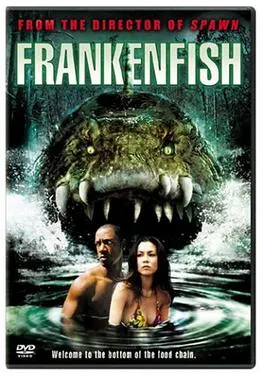
Genetic engineering explains the monsters but is barely explored. The fish are snakeheads modified to grow to the size of a man, and they escape when the boat carrying them is wrecked by a hurricane; the people responsible are never seen, and the only figure linked to them is a wealthy bounty hunter tracking the boat's signal. The film thus treats genetic modification as a commercial product released through negligence, with ordinary bayou residents paying the price. Its real inspiration was ecological rather than genetic: in 2002 a northern snakehead, an invasive East Asian fish that can breathe air and wriggle between bodies of water, was found in a pond in Crofton, Maryland, an incident that also inspired two other films. Real genetically engineered fish do exist; AquAdvantage salmon, which grow to market size faster thanks to an added growth hormone gene, became the first genetically engineered animal approved as food in the United States and Canada, but they are not larger at maturity and pose nothing like the film's threat.
The story
In the Louisiana bayou, a fisherman is killed by an unseen animal. Medical examiner Sam Rivers and biologist Mary Callahan go to investigate and reach a small community of houseboats and stilt houses, where residents say a strange boat washed upriver after a hurricane three months earlier. Sam and Mary find the boat with its crew dead in the hold and accidentally trigger a homing signal. That night, huge fish that can breathe air and move on land begin attacking the residents, killing several people and sinking their homes. Jeff, a wealthy hunter whose team was tracking the signal, arrives and explains that the fish are genetically engineered snakeheads. Sam and the survivors are forced to join his hunt; a third, much larger fish kills Jeff and his men. Sam kills it by luring it into the fan of his airboat, but the film ends with dozens of young fish attacking a survivor stuck in the mud.