The genetics
Human reproductive cloning is the premise, but the film is mainly a psychological drama about identity and a mother-daughter relationship. Iris has herself cloned to preserve her musical gift, treating her daughter as a copy rather than as a new person, and Siri struggles to find out whether anything in her is her own. Fischer, the doctor who performs the cloning, breaks the secret when Siri is thirteen, exposing her to stigma; at a Mother's Day concert, Siri wears a Star of David bearing the word "Klon" (clone), an image that recalls the persecution of Jews in Nazi Germany. The German film magazine film-dienst noted that the ethics of gene technology serves mainly as a backdrop. The film's central idea fits genetics well: a clone is in effect a delayed identical twin, and twin studies show that sharing a genome does not mean sharing talents, personality or fate. No cloned human has ever been verified, and reproductive cloning is banned in many countries, including Germany under its Embryo Protection Act.
The story
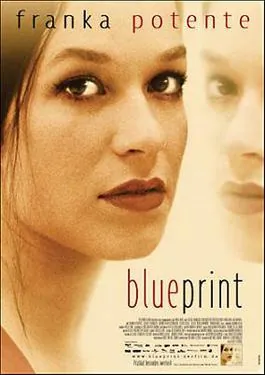
Iris Sellin, a celebrated concert pianist, learns that she has multiple sclerosis. Fearing that her talent will die with her, she persuades the reproductive medicine specialist Martin Fischer to clone her, and gives birth to Siri, her genetic copy and her daughter. When Siri is thirteen, Fischer makes the cloning public, and she learns what she is. The bond between them breaks, and for years mother and daughter make each other's lives miserable. Seeking to escape her mother's shadow, Siri moves to the Canadian wilderness, where she lives alone and works as a wildlife photographer. There she meets Greg, an architect, whose love helps her build a life of her own and ease the conflict with Iris. Franka Potente plays both Iris and Siri; the film is based on Charlotte Kerner's prize-winning young-adult novel.