The genetics
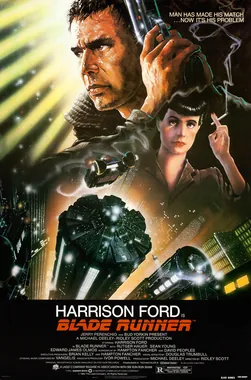
Genetic engineering underlies the whole premise. Replicants are not robots but bioengineered beings, designed by a corporation as disposable labour (Pris is a "basic pleasure model"), and given a built-in four-year lifespan as a safeguard. The film shows biotechnology as an industry: Tyrell, the creator, is a remote corporate magnate, while the designers who make eyes and bodies are craftsmen working to order, with no say over how their products are used. The question of what separates a manufactured being from a human, and whether it may be owned and killed, drives the story; Roy's confrontation with Tyrell, a creature demanding more life from its maker, has been linked by critics to Frankenstein, and the film is described as exploring the moral implications of human mastery of genetic engineering. Nothing close to designing a complete human-like organism is possible today. The film is a founding work of cyberpunk and influenced biopunk, the subgenre built around biotechnology and genetic engineering.
The story
In the Los Angeles of 2019, the Tyrell Corporation manufactures replicants, bioengineered humanoids used as slave labour on off-world colonies and banned from Earth. Former police officer Rick Deckard, a "blade runner", is forced back into service to track down and "retire" four Nexus-6 replicants led by Roy Batty, who have returned to Earth illegally. Visiting Eldon Tyrell, Deckard discovers that Tyrell's assistant Rachael is an experimental replicant who believes she is human because she has been implanted with memories. Roy and his companions trace the eye designer Hannibal Chew and the genetic designer J. F. Sebastian, who suffers from a premature-ageing disorder, and through him reach Tyrell to demand a longer life. When Tyrell says it is impossible, Roy kills him. Deckard kills the remaining replicants except Roy, who, dying as his four-year lifespan ends, spares Deckard's life. Deckard then leaves with Rachael.