The genetics
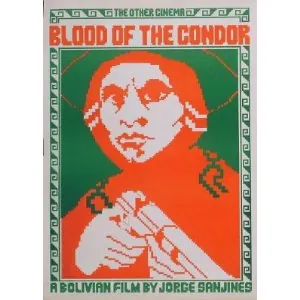
The film does not deal with genetics as such but with forced sterilisation, a practice historically linked to eugenics and to population control. The Spanish Wikipedia article describes the sterilisations in the film as a eugenic practice meant to stop indigenous people from reproducing. The perpetrators are foreign doctors and aid workers who present themselves as bringing health and progress, and the film portrays them as agents of a racist, imperialist policy. The story was based on accounts that Sanjinés collected from indigenous people, and its release contributed to a government investigation and to the expulsion of the Peace Corps from Bolivia in 1971. Historians note, however, that no documentary evidence has emerged that the Peace Corps sterilised women in Bolivia. Forced sterilisation of indigenous women did happen elsewhere, notably in Peru in the 1990s. Because its subject is coercive birth control rather than heredity, the title is only loosely connected to genetics.
The story
A Quechua community in the Bolivian Andes receives medical care from the "Cuerpo del Progreso" (Progress Corps), a fictional US-backed aid agency modelled on the Peace Corps. The villagers do not suspect that the foreigners are secretly sterilising the community's women. When the truth comes out, the villagers attack the foreigners, and the attackers are rounded up and shot by the authorities. Ignacio Mallku, the community's leader, is wounded, and his brother Sixto takes him to the city and desperately looks for medical care, but without money for proper treatment Ignacio dies. At the end Sixto returns to the countryside with Ignacio's widow, and the final image suggests an uprising of the indigenous people. Directed by Jorge Sanjinés, the film tells its story largely through flashbacks and is spoken in Quechua, Spanish and English.